
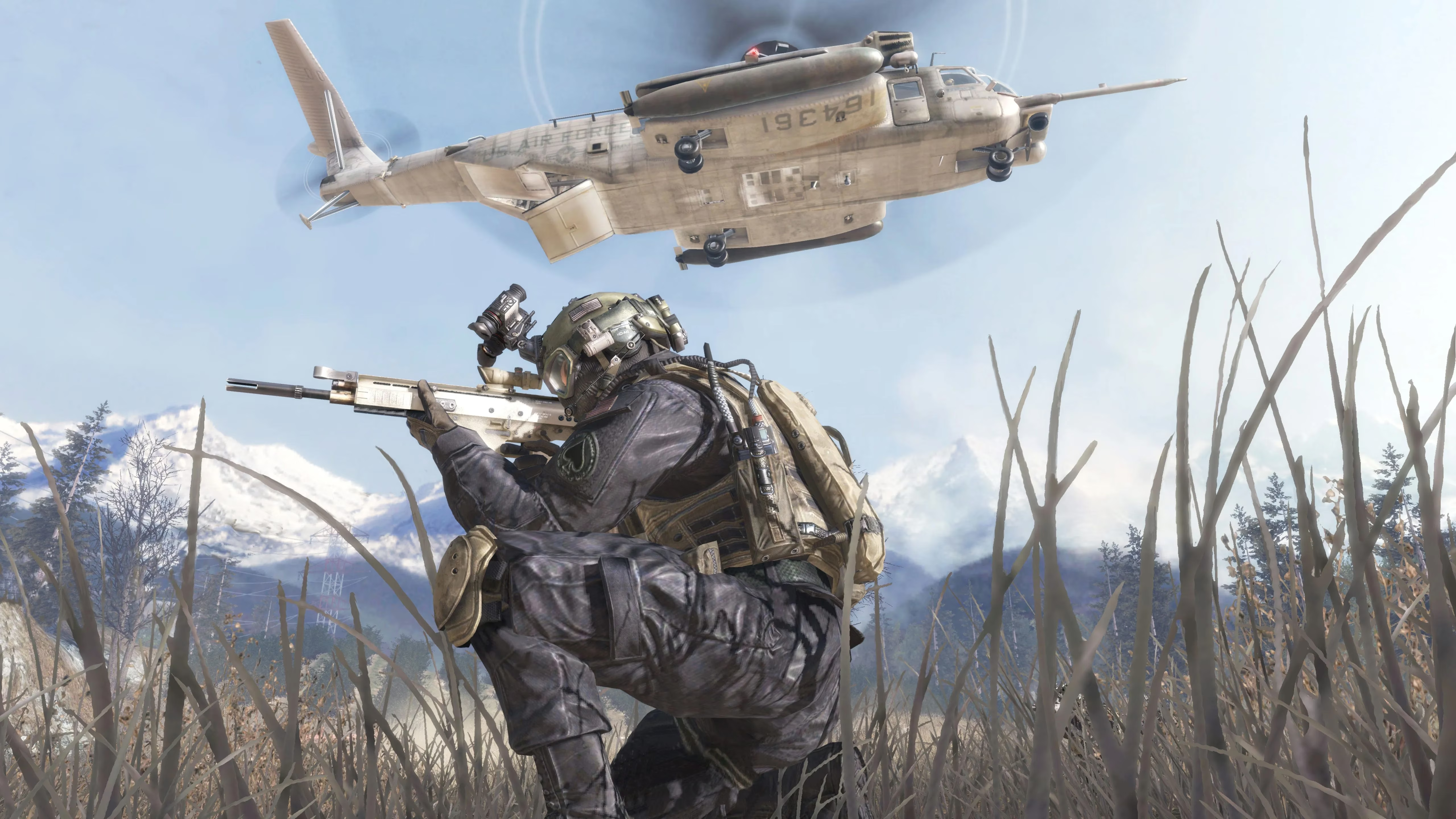
In the ever-evolving landscape of gaming, 2025 has brought us yet another classic tale of corporate overreach. Just days after a wave of nostalgic excitement washed over the Call of Duty community, Activision swung its legal hammer, bringing a hugely ambitious and popular fan mod for Modern Warfare Remastered to a screeching halt. This mod, a labor of love from dedicated players, had ingeniously stitched the beloved multiplayer core of 2009's Modern Warfare 2 into the more modern framework of the Call of Duty 4 remaster. The response was electric, with sales of the older game skyrocketing on Steam as players rushed to relive their glory days. But faster than you can say "tactical nuke," the fun was over, squashed under the boot of a cease and desist order. The developers, H2Multiplayer, folded immediately, leaving a community high and dry.
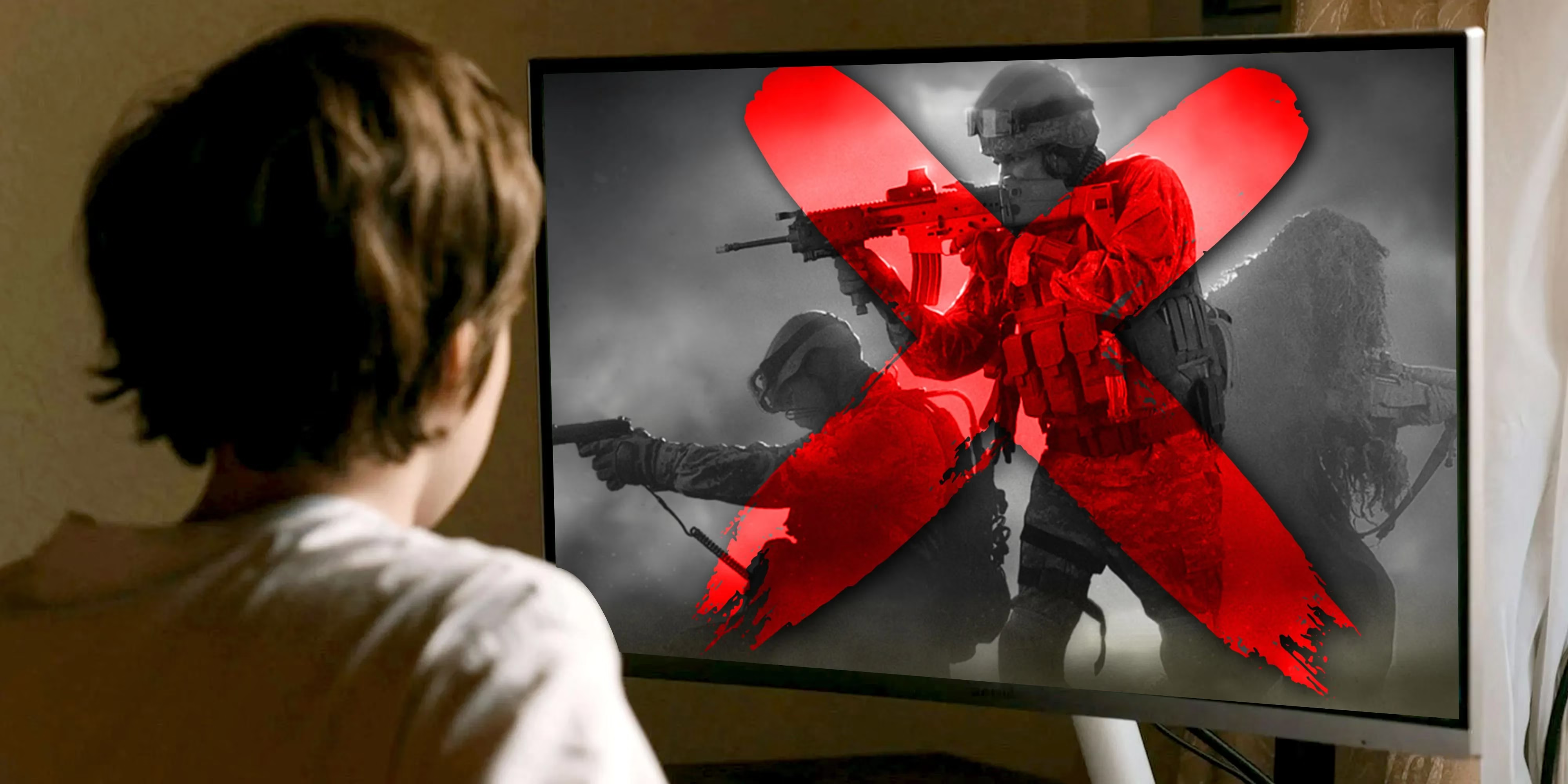
This shutdown was as predictable as a spawn trap on Shipment. The moment gameplay clips started going viral and big-name content creators began singing its praises, the mod's fate was sealed. In Activision's eyes, fans playing with their toys in ways that don't funnel money directly back into the corporate coffers is a cardinal sin. It's a bit like a museum curator locking away a classic painting because visitors are enjoying it too much without buying the overpriced postcards. The modders weren't running a for-profit scheme; any funds were purely to keep the lights on for servers. But that subtle distinction is lost on a corporate giant whose vision is filtered through a spreadsheet.
Activision's actions are wrapped in the familiar, threadbare cloak of copyright protection. They need to keep the runway clear for their own future products—products that often involve repackaging old memories and selling them back to us at full price. Remember the lukewarm reception to the multiplayer component in 2023's Modern Warfare 3, which felt less like a remaster and more like a distant, visually altered cousin of the original MW2 maps? That's the kind of official offering we're supposed to accept. The original 2009 Modern Warfare 2 servers, while technically still online, have become digital ghost towns overrun by hackers, because Activision's support evaporated the moment the next annual installment shipped. The company's strategy is like a farmer who only waters the newest seedling, letting the mature, fruit-bearing trees wither and die.
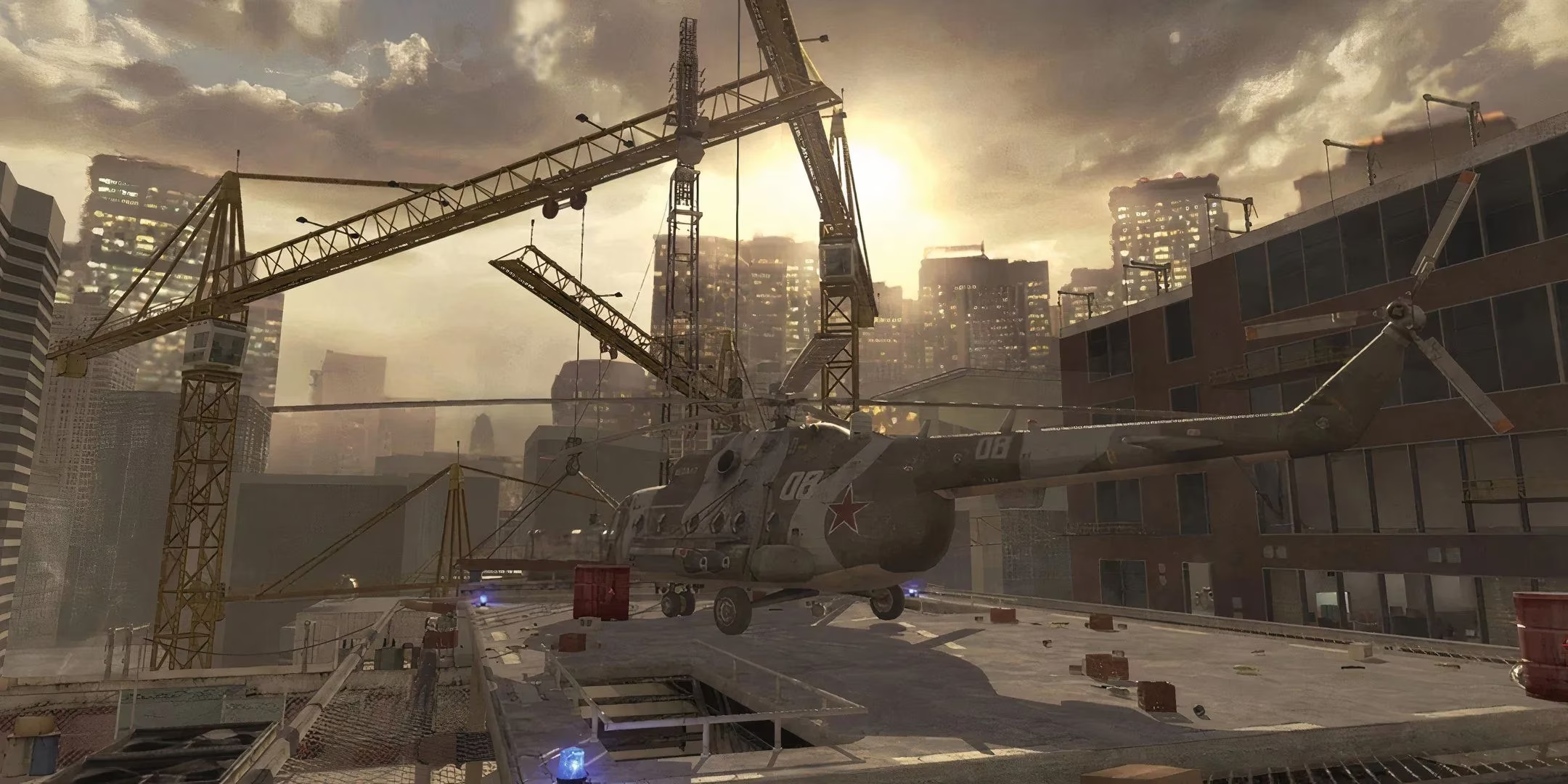
What makes this saga particularly bitter is the pure intent behind the mod. Fans saw something they loved—a foundational piece of gaming culture—fading into obsolescence. They didn't step on toes or demand compensation; they were digital archaeologists, painstakingly restoring a masterpiece within the confines of an already fading official remaster. They built a digital campfire, encouraging players to gather around and recapture the communal magic of late-night matches. This act of preservation was snuffed out because a corporation is perpetually scared of profits passing it by, or worse, because it wants to keep MW2 in its back pocket, ready to weaponize our nostalgia for a rainy-day cash grab.
This is not an isolated incident. The gaming industry's history is littered with the graves of incredible fan projects, mods, and remakes that were shut down unceremoniously. There's a cruel irony here: for a project to succeed and find its audience, it needs visibility. But that very visibility is what paints a target on its back. The corporate playbook is clear: stamp out any creativity that doesn't serve the bottom line, even if that creativity is the only thing keeping interest in your aging products alive. It's a strategy as self-defeating as trying to put out a fire by throwing your entire library of books on it.
In 2025, as the industry continues to consolidate power among a few mega-publishers, these stories become more frequent and more disheartening. Modern Warfare 2 isn't just any game; it's a landmark title that defined a generation of online shooters. To see passionate efforts to revive it be dismantled for vague, profit-protecting reasons is a clear indicator of where priorities lie. They aren't with the players or the preservation of gaming heritage; they're with the quarterly earnings report. The community asked for a faithful revival, and instead, they were given a legal notice. One has to wonder: what exactly was won here, besides the cold satisfaction of enforcing a copyright? A thriving community was scattered, goodwill was burned, and a classic game remains in its neglected state. It's a loss for everyone except the lawyers.
The Inevitable Cycle & The Community's Plight
Let's break down the tragic, predictable lifecycle of a major fan mod in today's climate:
| Stage | What Happens | The Corporate Reaction |
|---|---|---|
| 1. Conception & Development 🔨 | Passionate fans work tirelessly in secret, driven by love for a game. | Unaware or willfully ignorant, as long as it stays underground. |
| 2. Launch & Viral Growth 🚀 | The mod releases. Word spreads like wildfire on social media. Sales of the base game may even increase. | Legal teams begin monitoring. Metrics are analyzed not for community health, but for potential 'infringement.' |
| 3. Peak Popularity 📈 | Content creators cover it. Player counts soar. A genuine community is born. | This is the red alert. The project is now too big to ignore. The cease & desist letter is drafted. |
| 4. The Shutdown ⚖️ | The developers, lacking legal resources, comply immediately. Servers go dark. | A 'victory' for IP protection is logged. The official, often inferior, product remains the only option. |
| 5. Aftermath 💀 | Community is disillusioned. Goodwill toward the publisher evaporates. The game's legacy is further fragmented. | Business continues as usual, onto the next product cycle. The incident is forgotten in boardrooms. |
Why This Hurts More Than Just the Modders
-
Historical Erosion: Games are cultural artifacts. Fan projects act as vital preservation tools when official support ends.
-
Community Trust: Actions like these tell players their passion is only valued when it's monetized directly.
-
Innovation Stifling: Some of gaming's best ideas started as mods (see: Counter-Strike, Dota). Killing them kills potential evolution.
-
Missed Opportunities: Instead of shutting projects down, smarter publishers find ways to collaborate, legitimize, or even hire the talent behind them.
In the end, the death of this Modern Warfare 2 mod is a crystal-clear parable for 2025. It highlights the widening chasm between corporate gaming strategies and the living, breathing communities that sustain these virtual worlds. The message is painfully clear: your nostalgia has value, but only when we control the sale of it. Until this mindset changes, players will be left chasing ghosts in officially sanctioned, but soullessly managed, digital spaces.