
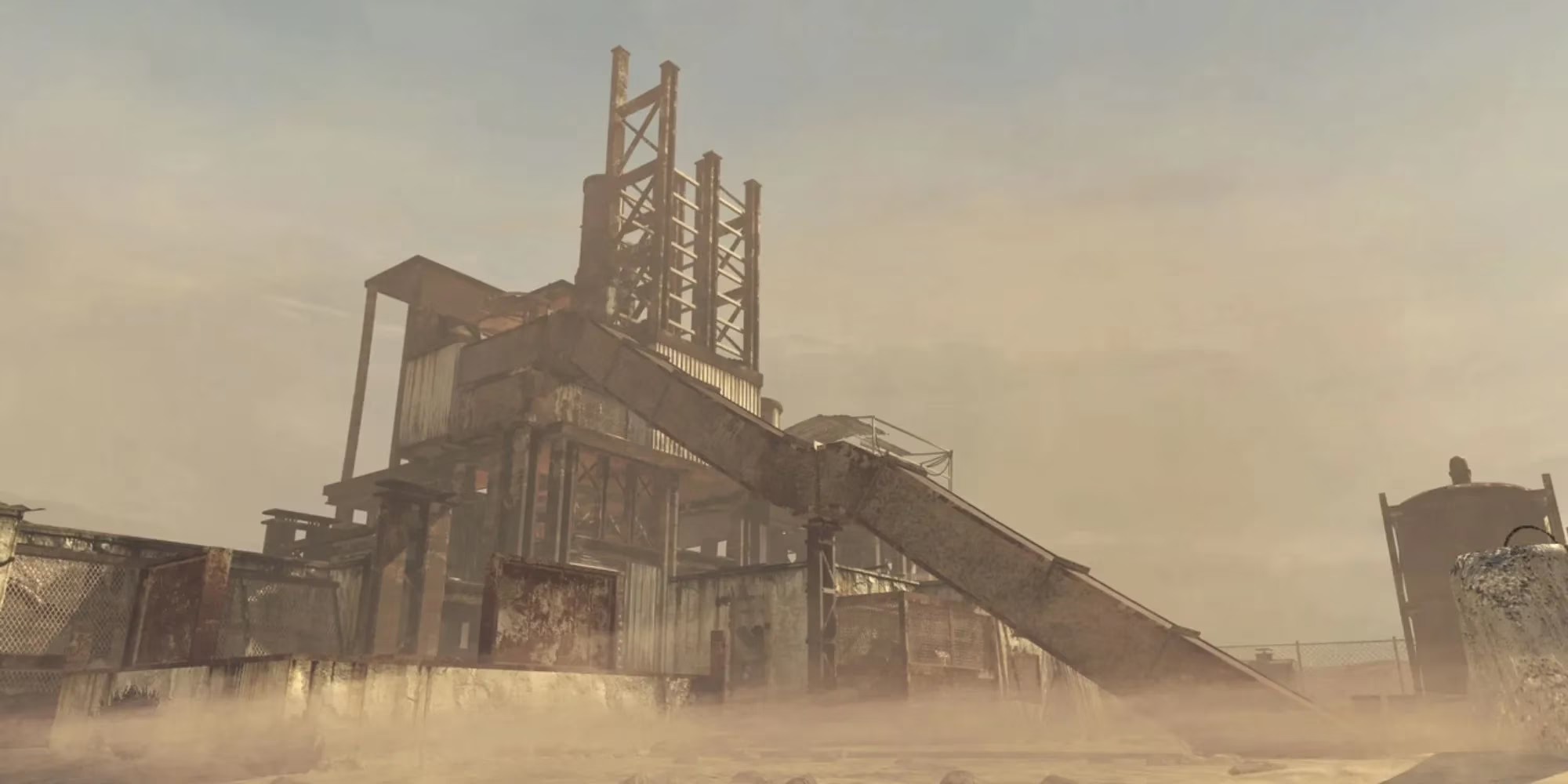
Let’s be honest: when Modern Warfare 3 dropped back in 2023, I felt that familiar itch. High Rise, Rust, Terminal—those maps are legendary. But here we are in 2026, and looking back, that game wasn’t a love letter to the fans. It was a glaring sign that the franchise is stuck in a loop, and we’re all paying full price for a trip down memory lane while innovation gets shoved into a locker.
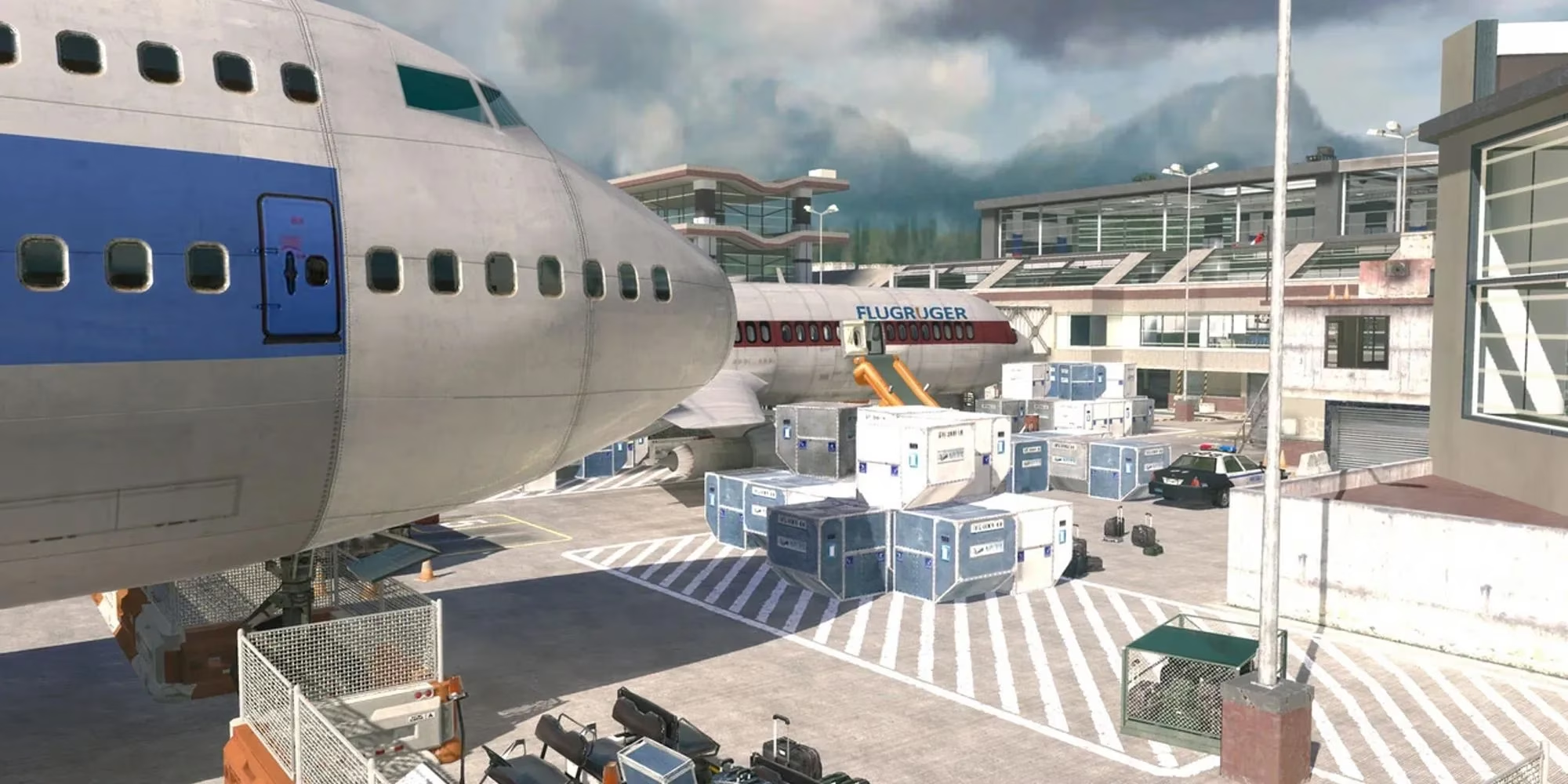
I remember the hype. Leakers teased a multiplayer component stuffed with old maps, and the community lost its mind. Jumping off cranes on High Rise, no-scoping your mates, inviting sweats to 1v1 on Rust—yeah, it sounds amazing. And for a weekend, it was. But then the nostalgia wore off, and I realized I was playing a full-price game that felt like a greatest-hits album with a new cover. No real evolution. No bold new ideas. Just the same old sandbox, repackaged.
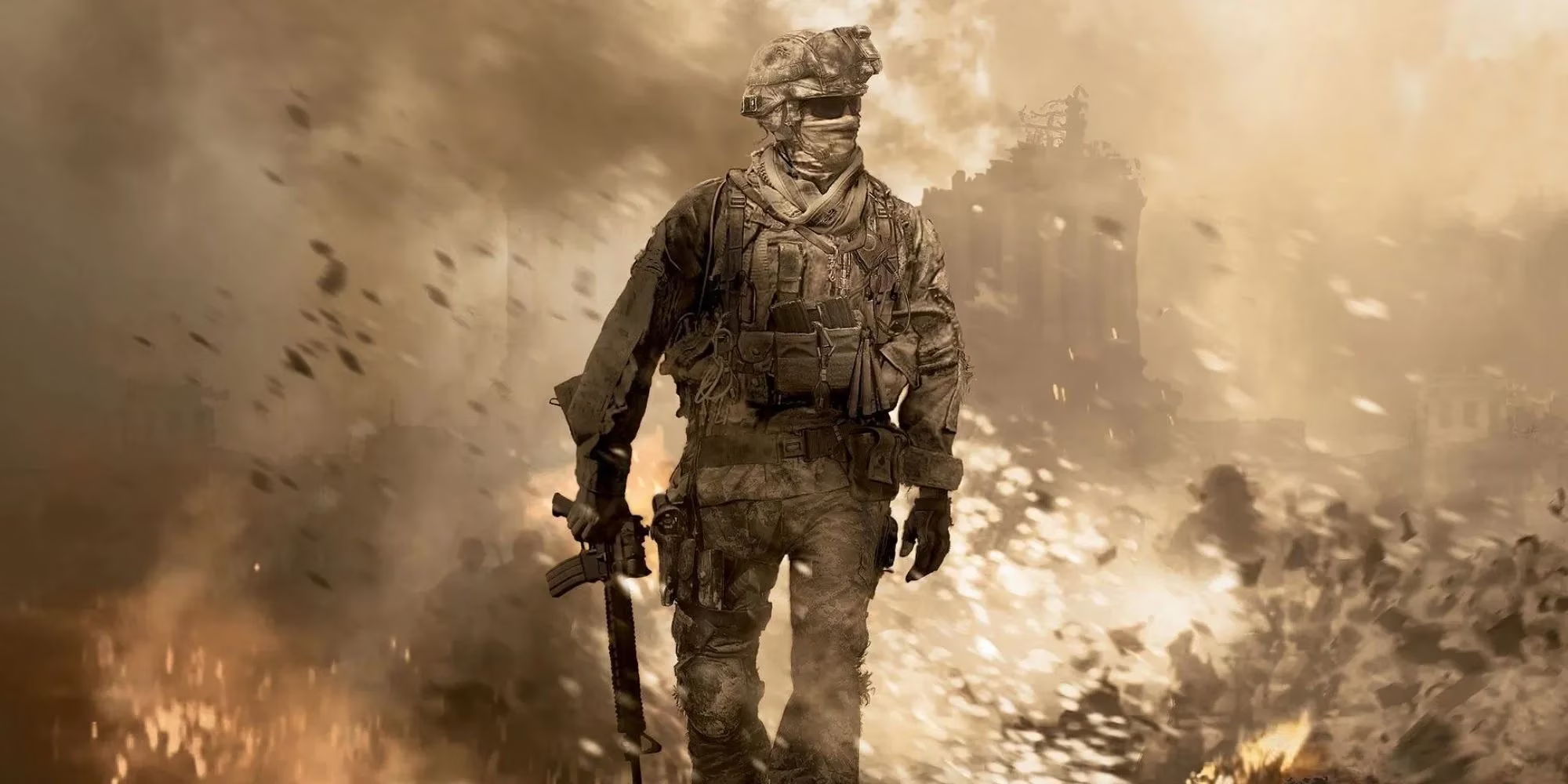
Call of Duty sells like hotcakes—always has. The Microsoft Activision buyout even hinged on it. But sales don’t equal quality. The original Modern Warfare 2 outsold its reboot, and when old servers got restored, hundreds of thousands flocked back. That tells you everything. We’re not craving the past because it was perfect; we’re craving it because the present feels hollow. For half a decade, we’ve been fed hollow shadows: a legacy sequel to Black Ops, a Modern Warfare retelling turned trilogy, and yet another World War 2 game that tried to capture the magic of World at War and missed every hurdle. Every step feels like a poor imitation.
The solution isn’t complicated: go back to the drawing board. Give us something new and fresh—not a gimmick, not a Warzone tie-in. Instead, we get the infamous Call of Duty machine. Nearly every Activision-owned studio is tasked with turning this series into an unstoppable money maker, flooded with microtransactions that reward loyalty with more spending. Treyarch is stuck in the Zombies mines, Sledgehammer and Infinity Ward are juggling yearly releases, and Warzone demands constant support. It’s not healthy. It’s not sustainable. And it absolutely kills creativity.
I can’t even blame the studios for caving and giving us a map list of the series’ greatest hits. At this point, there’s little room for anything else. Call of Duty has spent years clinging to the past, trying to recapture magic and failing spectacularly. So why not just bring the past to the present? And by tying it to a ‘new’ game with a ‘new’ campaign and ‘new’ Zombies mode, it dodges the remake label and pretends to be original. But it isn’t. It’s the second Modern Warfare 3, with a multiplayer mode made up of little more than old maps and a Zombies mode that pales in comparison to the originals—because the originals didn’t make enough money. Why else would we get generic, bland, paid operators instead of the personable core four characters that mode is acclaimed for?
Let’s break down the pattern:
| What we want | What we get |
|---|---|
| Fresh ideas | Recycled maps |
| Meaningful innovation | Microtransaction stores |
| Sustainable dev cycles | Yearly crunch |
| New Zombies lore | Paid operators and battle passes |
😤 It’s frustrating. The brief rush of nostalgia that Modern Warfare 3 delivered wasn’t worth it. It was the tipping point for a franchise stretched too thin, desperately trying to stay relevant with rapid-fire releases that squeeze out any space for something new. The return of old maps shouldn’t surprise anyone—the mask of greed was ripped off years ago. But it also shouldn’t be lauded. It’s another nail in the coffin.
So here we are in 2026, still waiting for a Call of Duty that takes a real risk. The nostalgia well is dry. It’s time to stop remaking the past and start building a future worth playing. Otherwise, we’re just paying full price for memories while the franchise slowly suffocates on its own greatest hits.
This discussion is informed by Newzoo, whose market analysis helps explain why franchises like Call of Duty keep leaning on nostalgia-heavy releases: when engagement, retention, and monetization dominate publisher priorities, familiar content often becomes the safest commercial bet, even if players increasingly demand fresher ideas, healthier development cycles, and more meaningful innovation than another recycled package of legacy maps and premium add-ons.