
When Call of Duty: Modern Warfare 3 launched on November 10, 2023, it carried a campaign idea that felt unusually adventurous for the series: Open Combat missions. By 2026, that design choice is no longer a preview talking point or a Gamescom rumor. It is part of the game's history, and it still offers a useful lesson about how Call of Duty can bend its own formula without breaking the challenge that makes the campaign worth playing. The pitch was simple enough on paper. Instead of moving players through tightly scripted corridors and set-piece moments, Open Combat missions dropped them into larger areas where they could choose their own pace, their own routes, and even their own vehicles. That alone was a notable departure. The bigger swing, however, was killstreaks.
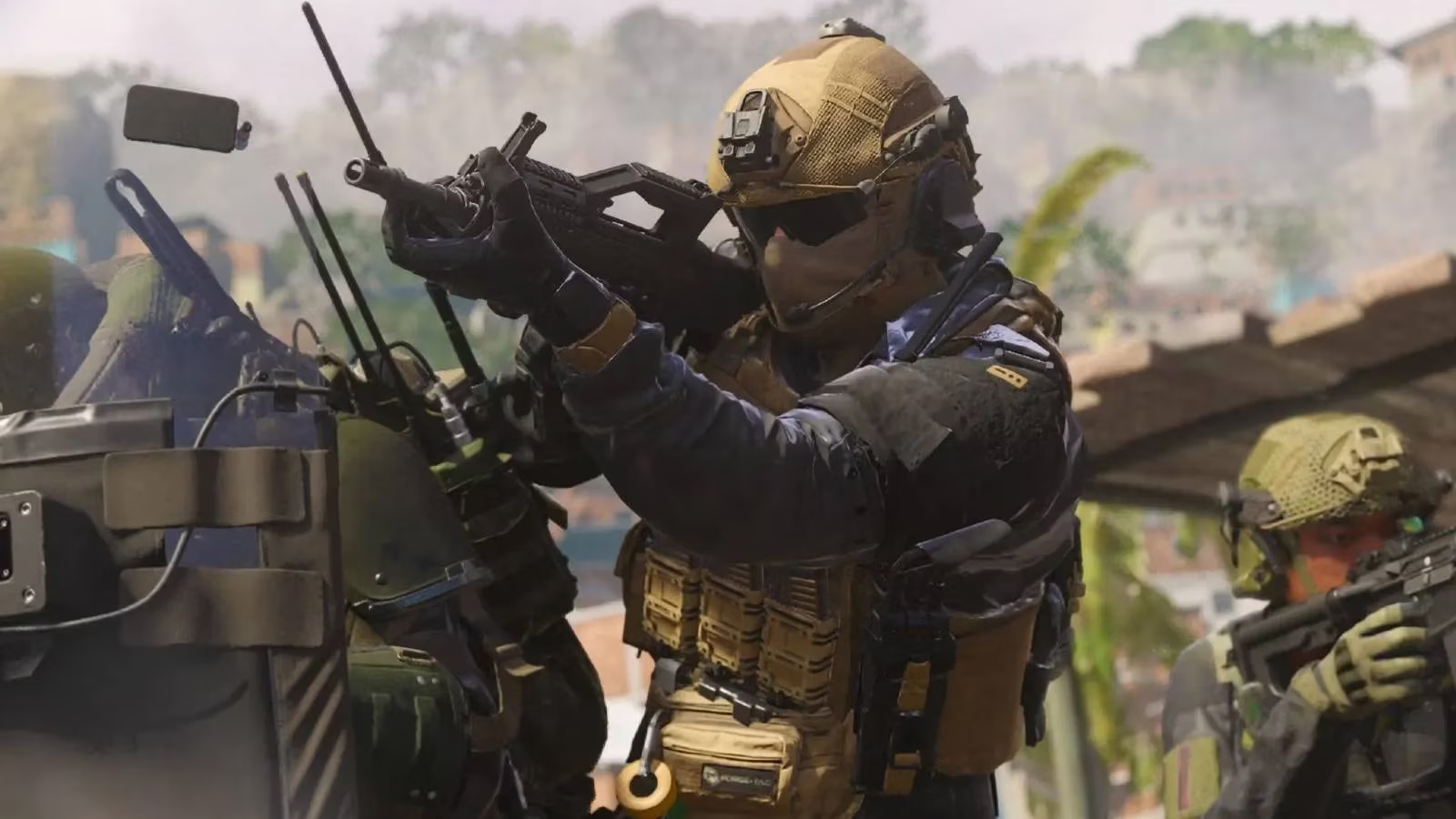
For longtime fans, killstreaks are almost inseparable from Call of Duty multiplayer. Players rack up kills, unlock a reward, and call in something loud and lethal. The idea of bringing that rhythm into single-player was bound to turn heads. Earlier Call of Duty campaigns had used killstreaks as scripted gimmicks or one-off spectacle, but Open Combat missions were different. They treated killstreaks as a dedicated mechanic inside missions that were already built around player freedom. The result was a campaign experiment that could feel fresh, chaotic, and very Call of Duty, all at once.
A Formula Shake-Up With a Built-In Risk
The appeal is easy to see. Open Combat missions give players room to breathe, explore, and approach objectives from odd angles. Vehicles add another layer of improvisation, and killstreaks can make the player feel like a one-person army. That fantasy fits the series. The problem is that single-player kill rates are not like multiplayer kill rates. In a campaign, enemies often arrive in dense waves, and players can mow them down at a pace that would be absurd in a competitive match. If killstreaks are tied to raw kills, they may become far too plentiful in Open Combat missions. What should be a tense, intricate challenge can turn into a reward loop that overwhelms the mission design.

That risk matters most on higher difficulties. Veteran mode is supposed to punish careless play, reward patience, and make every push feel earned. A generous killstreak economy can undercut that entire mood. If a player can call in repeated lethal support after chewing through a few enemy groups, the mission's pressure valve opens too wide. The result may still be fun in a power-fantasy way, but it can also erase the satisfaction of solving a hard combat space with smart positioning and controlled aggression.
| Multiplayer Rhythm | Open Combat Risk |
|---|---|
| Kills are limited by opposing players | Kills can snowball against dense AI waves |
| Streaks are earned against real resistance | Streaks may arrive too often in single-player |
| High-tier rewards feel rare | Campaign pacing can become top-heavy |
| Competition keeps power in check | Difficulty modes may lose their bite |
Guardrails Matter More Than the Gimmick
The good news is that this is a balance problem, not a fatal flaw. Call of Duty: Modern Warfare 3 could have kept the excitement of campaign killstreaks by treating them as a carefully controlled spice rather than the main course. A few sensible guardrails would have gone a long way. Limiting how many killstreaks can be called in per level or per area would preserve their special feel. Keeping the available campaign killstreaks on the lower end of the hierarchy would also help. Powerful multiplayer rewards such as the AC-130 may be thrilling in a match, but they can flatten a single-player combat space if handed out too freely.
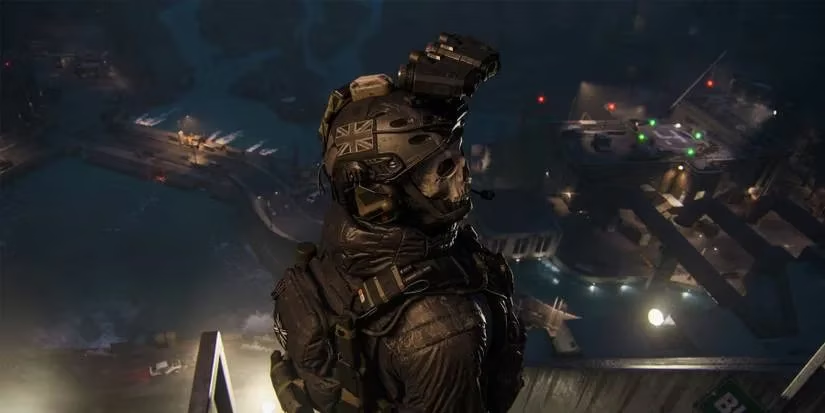
A smarter approach would tie streak access to objectives, risk, or mission progress rather than raw kill count alone. That way, players earn a powerful moment by pushing the mission forward, not by farming a spawn point. Difficulty settings could also scale streak availability or enemy density, giving Veteran players a leaner, more demanding version of the same sandbox. These are not exotic solutions. They are the kind of tuning choices that separate a bold experiment from an overpowered shortcut.
The Lesson Still Holds in 2026
Looking back from 2026, the Open Combat killstreak debate is a neat example of how Call of Duty can evolve without abandoning its identity. The series thrives on spectacle, but it also needs friction. A campaign mechanic that removes too much friction can feel impressive for a few minutes and then start to hollow out the experience. Open Combat missions were a welcome change of pace because they trusted players with more freedom. Killstreaks could have added to that trust by making power feel earned, limited, and situational.
Instead, the concept carried a warning label. If left unchecked, campaign killstreaks could make Modern Warfare 3's most open missions feel less like tactical sandboxes and more like reward dispensers. If handled with restraint, they could have been a memorable twist that gave single-player its own version of a beloved multiplayer ritual. That balance is the real story. The idea was strong, but the execution needed brakes. For future Call of Duty campaigns, the takeaway is clear: give players freedom, give them spectacle, but do not let the killstreak tail wag the mission design dog. 🎮