
When I cast my mind back to the autumn of 2023, a single announcement nearly broke the Call of Duty community. Activision and Sledgehammer Games revealed that the upcoming Call of Duty: Modern Warfare 3 would launch with every single one of the original Modern Warfare 2 (2009) maps, rebuilt from scratch yet faithful to the iconic designs. At the time, I remember thinking: could they really pull it off? Three years later, those 16 battlegrounds still form the backbone of the multiplayer experience, and I’m here to explore why this daring remaster project remains a landmark moment for the franchise.
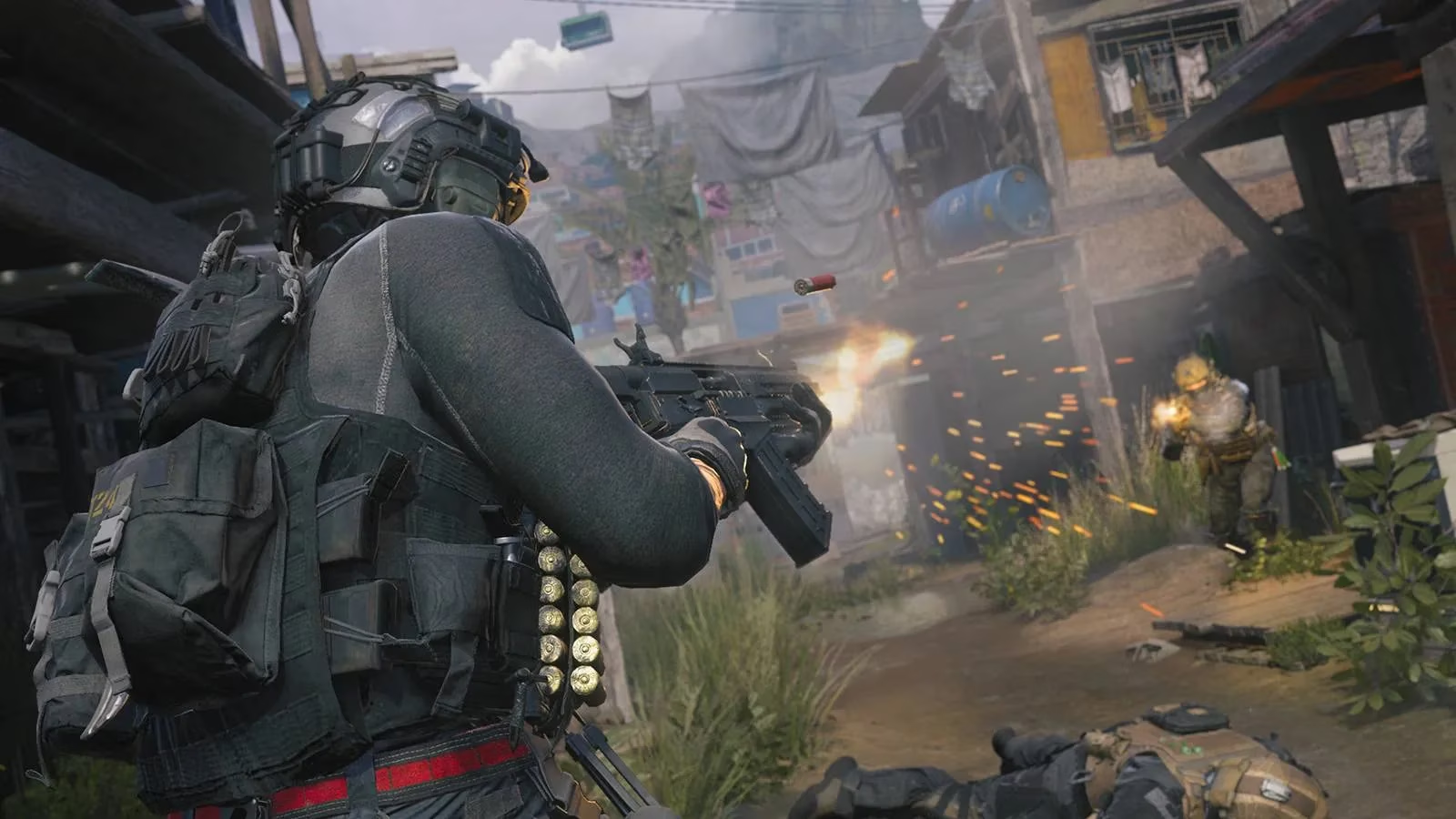
Why did Sledgehammer Games choose to resurrect all 16 maps in one fell swoop? The answer lies in the enduring brilliance of the 2009 title. Back then, Modern Warfare 2 delivered a multiplayer suite that felt revolutionary—fast-paced, unpredictable, and loaded with unforgettable locales. The decision, as shared in the Intel Drop video, came from pure excitement; the developers couldn’t wait to bring these playgrounds to a new generation. And who could blame them? Maps like Afghan, Terminal, and Rust had become legendary, rivalled only by a handful of environments in the series’ history.
The 16 classic maps that arrived with Call of Duty: Modern Warfare 3 included Afghan, Derail, Estate, Favela, Karachi, Highrise, Invasion, Quarry, Rundown, Rust, Scrapyard, Skidrow, Sub Base, Terminal, Underpass, and Wasteland. What struck me most when I first loaded into the beta was how perfectly the updated visuals complemented the preserved geometry. The sand-swept cliffs of Afghan, for example, now boasted crisp textures and refined lighting, yet the sniper sightlines remained exactly where I remembered them.
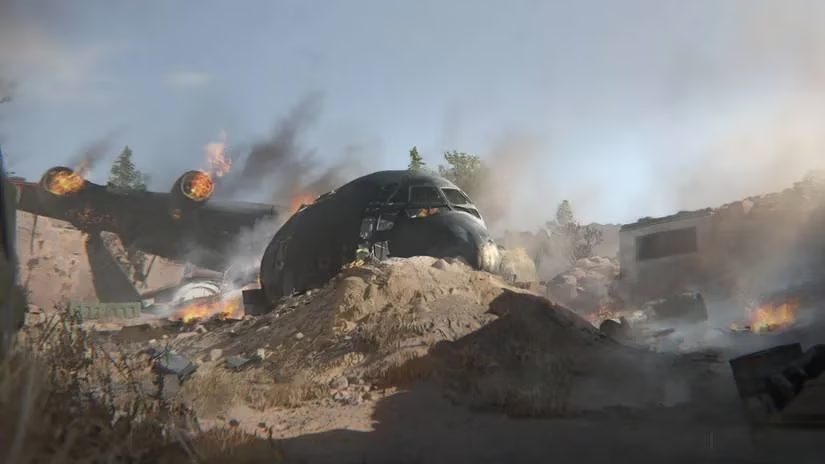
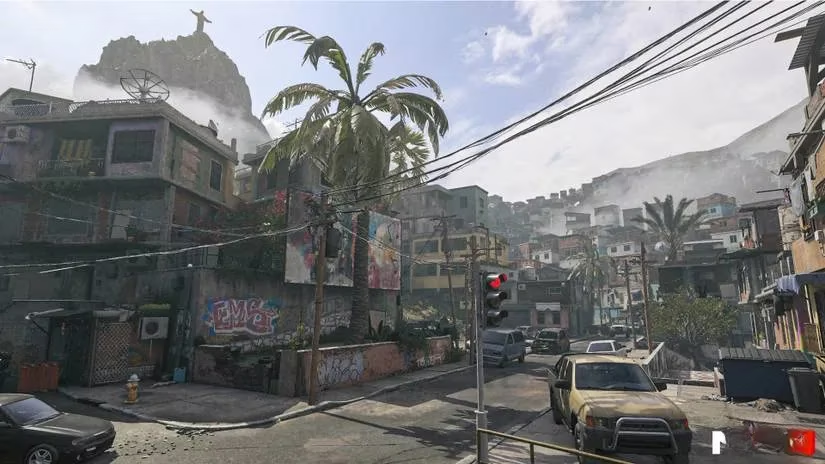
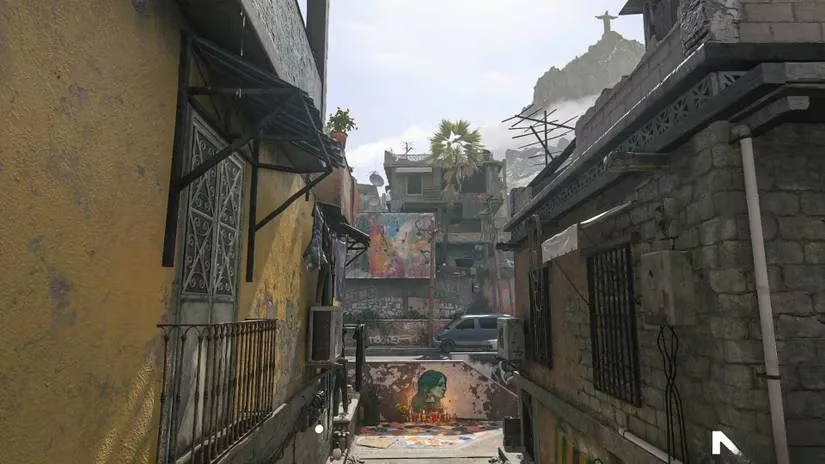
One of the smartest moves by Sledgehammer was treating these maps not as lazy ports, but as opportunities for technological enhancement. Every corner received a fidelity boost—from the dense foliage of Estate to the claustrophobic favela corridors. I’ll never forget navigating the Favela for the first time in 2023, noticing how the rainy, moody atmosphere had been intensified without disrupting the chaotic close-quarters engagements.
Does nostalgia alone carry a multiplayer title? Not in this case. While veterans like myself certainly shed a tear when first stepping onto Highrise’s rooftop or dashing through Terminal’s airplane interior, the maps’ inherent design strengths shone through. Newer players, who had never touched the 2009 original, quickly discovered why Rust became the ultimate 1v1 arena and why Scrapyard’s cargo plane fuselage turned every match into a sprinting melee. These layouts were engineered for flow, risk-reward hotspots, and memorable killstreak opportunities.
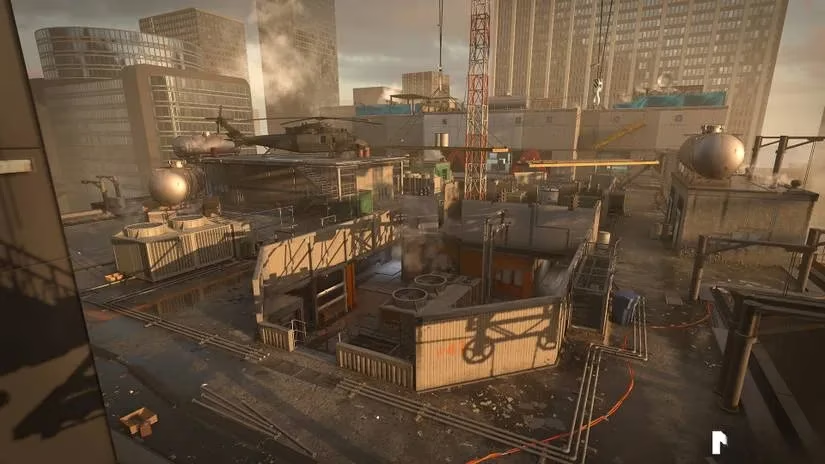
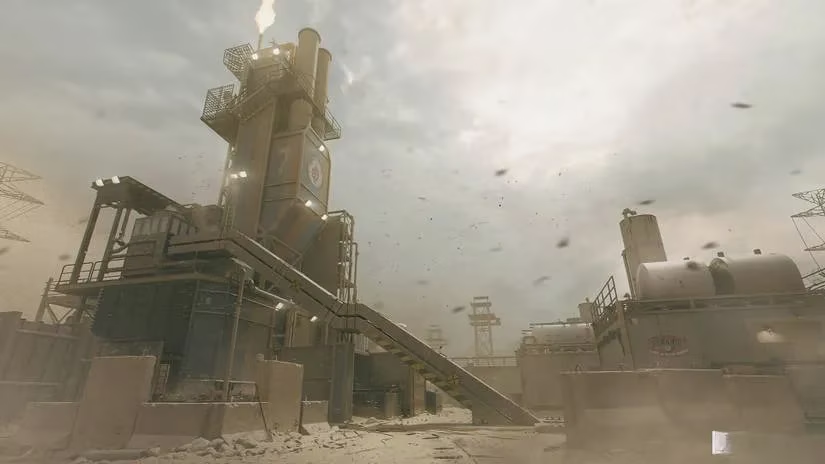
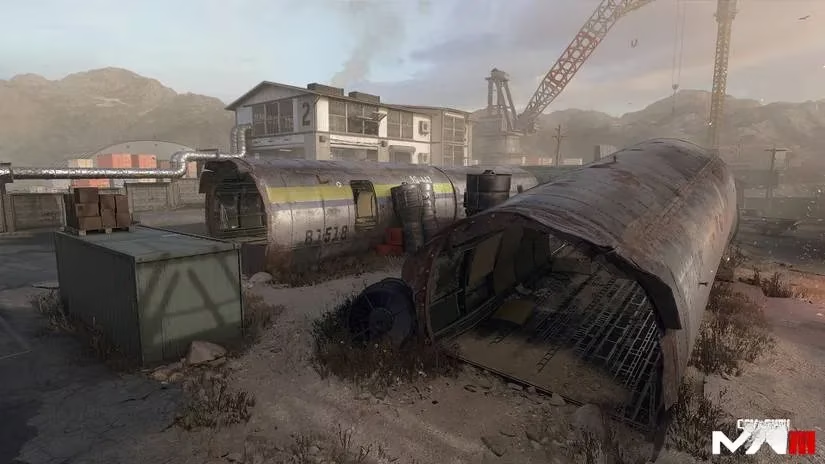
I would argue that the autumn 2023 beta gave us our first true taste of this map package’s magic. The beta launched in October, and the community reaction was overwhelmingly positive. Complaints were few—some about spawns, naturally—but the sheer joy of sprinting through Derail’s snowy train yard or battling across the bridge in Rundown silenced most doubters. By the time Call of Duty: Modern Warfare 3 officially launched on November 10 for PC, PlayStation 4, PlayStation 5, Xbox One, and Xbox Series X/S, the stage was set for a resurrection of classic multiplayer camaraderie.
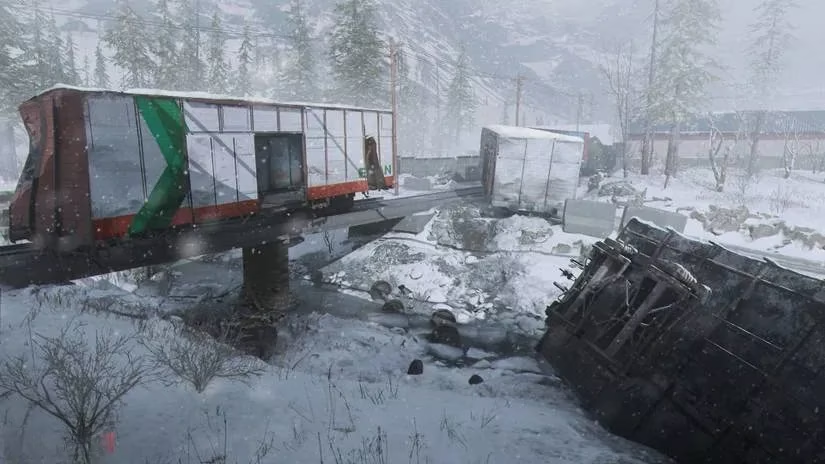
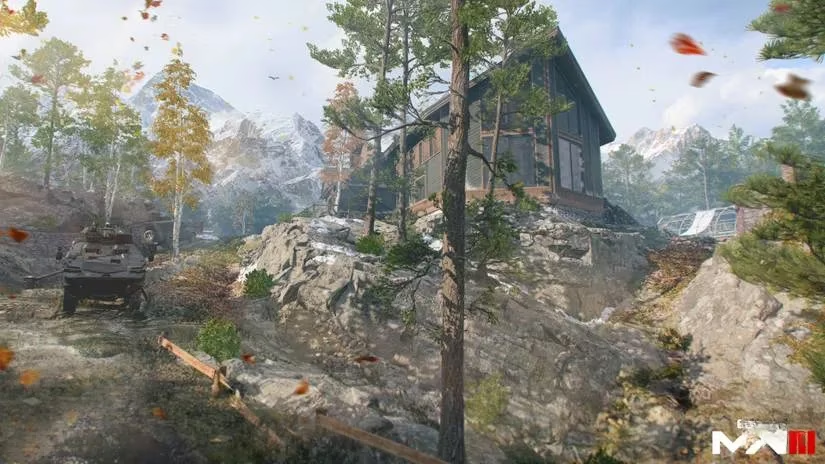
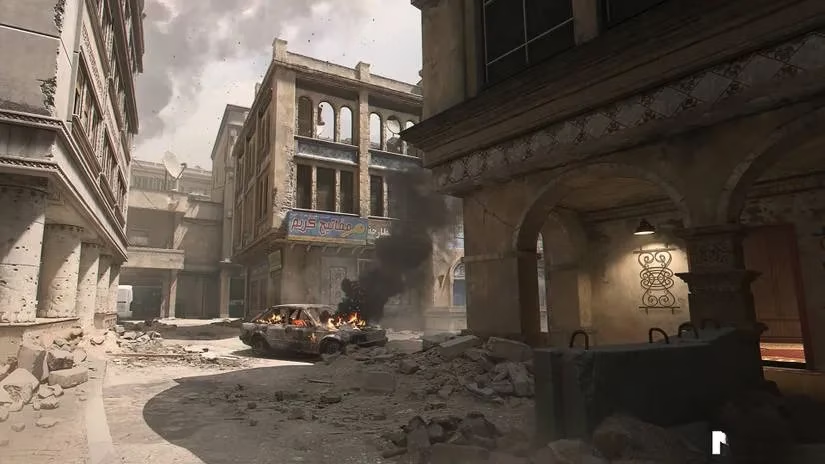
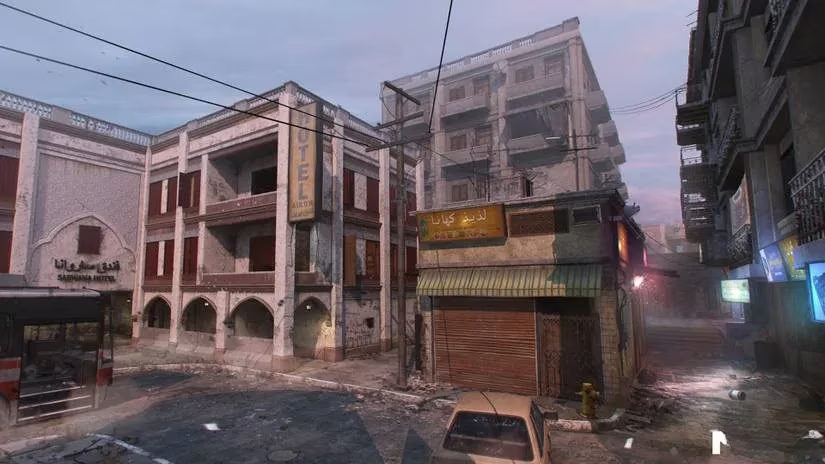
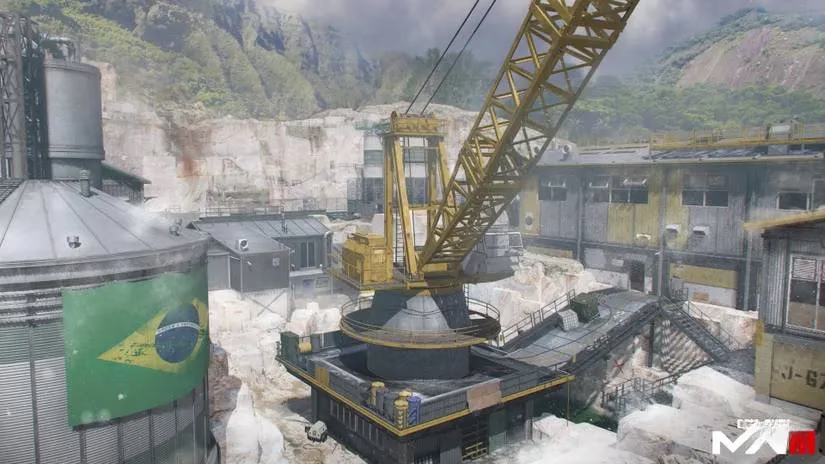
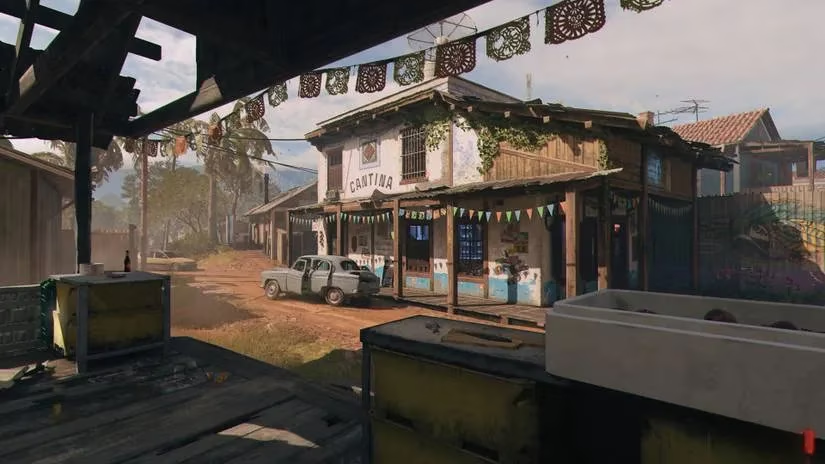
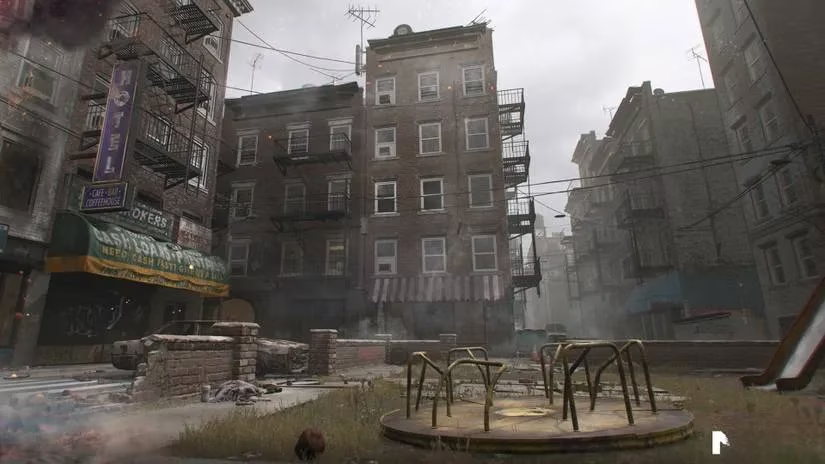
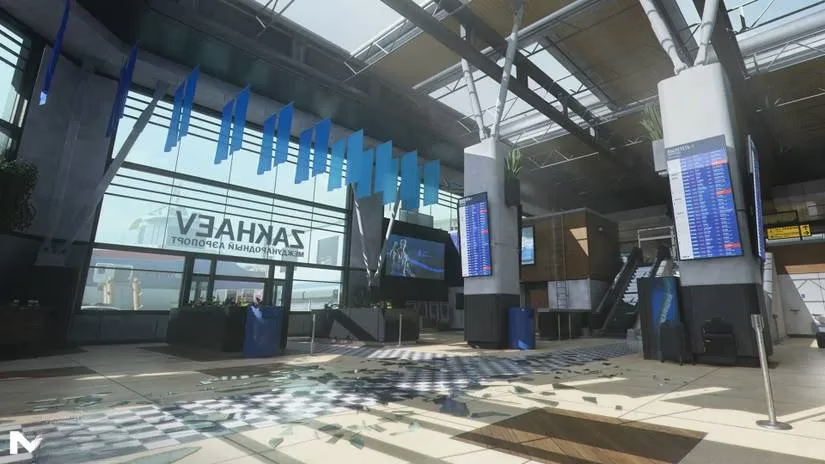
Reflecting on all 16 maps now, in 2026, I can confidently say that this package achieved something rare: it bridged generations. The franchise has since moved on, with new entries offering their own innovations, but these remastered maps remain a go-to playlist for many loyalists. They provided a shared language for parents who once played Modern Warfare 2 on a CRT television and their kids discovering these battlefields on a 4K monitor. That continuity is seldom seen in the fast-moving world of live-service shooters.
What made this undertaking even more impressive was the delicate balance Sledgehammer had to maintain. Every map had to feel exactly like the 2009 original—same angles, same jump spots, same grenade trajectories—while simultaneously looking like a modern title. Did they succeed? Walk through the airplane wreckage in Scrapyard or peek out from the second-floor window in Estate, and the answer is a resounding yes. The authenticity shines through, proving that these digital arenas were never just about polygons but about masterful layout design.
The return of Call of Duty: Modern Warfare 2’s maps also triggered a wave of emotional storytelling among players. I’ve heard countless anecdotes of friends reuniting after a decade, just to relive those late-night domination matches on Invasion or to see who still had the best camping spot on Karachi. In an industry often criticized for churning out content, this map revival felt like a love letter to the community—and that letter is still being read today.